The Science of Cleaning Pavers: Why This Matters
In the realm of maintaining the beauty and functionality of the outdoor spaces, cleaning pavers is an essential yet often overlooked task. Over time, dirt, grime, algae, and even stubborn oil stains can build up on the brick pavers, dulling their appearance and compromising their lifespan. Understanding the science behind paver cleaning not only helps enhance the aesthetic appeal of the driveways and patios but also safeguards the investment in hardscaping.
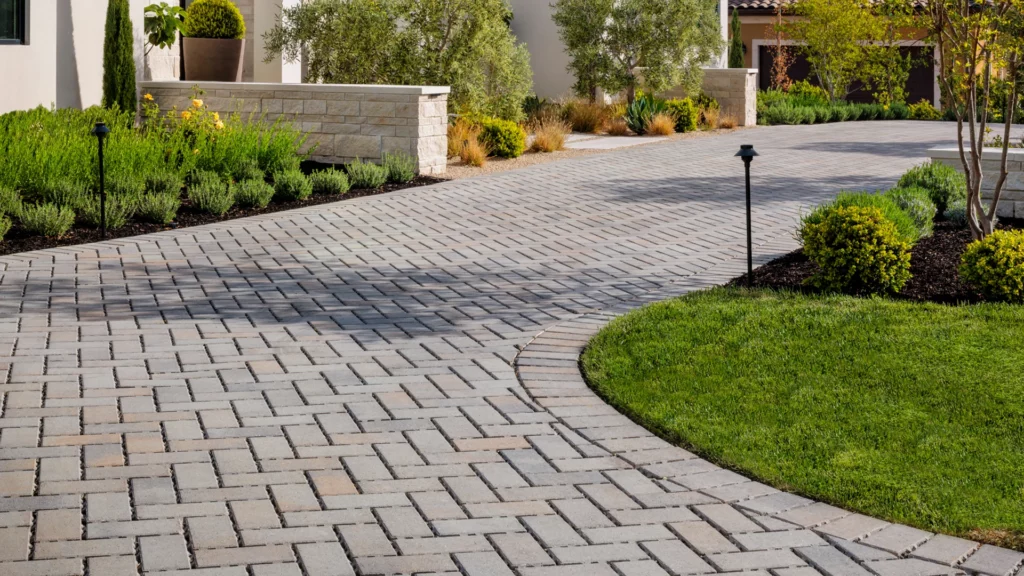
In this piece, we will explore the importance of paver cleaning, the signs that show your brick pavers need expert attention, and the best practices for maintaining their longevity. From common mistakes homeowners make while pressure washing to the benefits of using premium sealers, we will discuss everything you need to know to keep your outdoor spaces looking their best. Whether you're a seasoned homeowner or new to upkeep, understanding these aspects will empower you to make informed decisions about the paver care.
Signs That Your Pavers Need Specialized Cleaning
One of the most visible signs that your brick pavers need professional cleaning is the existence of heavy stains, especially those resulting from grease or oil. These stains can collect over time, especially in areas where vehicles frequently park or where grills are used. Regular maintenance may not suffice to remove these tenacious marks, and professional services can supply the necessary machinery and cleaning agents to revive your pavers to their original condition.
An additional clue is the growth of fungus, algae, or even weeds in the spaces between your pavers. These not only detract from the overall aesthetic of your outdoor space but can also result in damage if ignored unaddressed. Mold and algae thrive in moist environments, and their presence may indicate that your pavers have not been effectively sealed. Brand Name : Perfect Paver Co. can effectively eliminate these issues, preventing potential health hazards and structural damage to your hardscape.
Lastly, if you notice that your pavers look dull and faded, this is a strong sign that they need a thoroughly needed cleaning. Environmental factors such as UV rays, heavy rains, and even pollutants can erode the protective layer of your pavers over time. A professional cleaning can refresh their appearance and ensure that any necessary sealing is applied to prolong their durability and keep them looking fresh.
Washing and Coating for Longevity
To extend the duration of your pavers, routine washing and coating are crucial. Over the years, dirt, grime, and organic matter such as fungus and lichen can accumulate, leading to not only visual issues but potential physical damage as well too. Properly cleaning pavers eliminates these impurities and prepares the surface for coating, enabling the coating to adhere successfully and function its role of protecting against wear and spots.
Sealing pavers adds an extra coat of protection against the environment, including humidity and UV rays. There are various types of sealers available, including shiny and flat finishes. Choosing the appropriate coating is based on your stylistic preference and the specific needs of your pavers. Sealing also helps to prevent white residue, a common issue characterized by a chalky white powder caused by the release of minerals through the paver material.
To maintain the integrity and look of your paver areas, it is essential to adhere to a maintenance and coating plan. Experts recommend washing and sealing your pavers every one to three years, depending on exposure to elements and people walking. Following a steady maintenance schedule not just maintains your pavers looking fresh, but also conserves money in the long run by avoiding expensive fixes or replacements.
Typical Mistakes to Avoid
One typical mistake homeowners make when cleaning pavers is using the incorrect cleaning products. A lot of people believe that all household cleaners are appropriate, but strong chemicals can harm the surface of the pavers or affect the surrounding vegetation. It is crucial to use eco-friendly detergents specifically designed for patio pavers. These products ensure that the cleaning process is both efficient and safe, preserving the integrity of your outdoor space.
Another common error is neglecting the necessity of proper sealing after cleaning. Failing to seal pavers can result in quick re-soiling, allowing dirt, weeds, and stains to reappear faster than expected. To maximize the lifespan of your pavers, always follow a complete cleaning with an fitting sealer. Additionally, understanding the difference between wet-look and matte sealers can help you pick the right finish for your intended aesthetic.
Lastly, a lot of homeowners misjudge the impact of weather on their paver maintenance. Cleaning and sealing during wet seasons can have detrimental effects, as heavy rains can wash away newly applied sealants or interrupt the application of polymeric sand in joints. To avoid such issues, it is essential to opt for a dry weather window for your paver cleaning and sealing tasks, ensuring that the results are both efficient and long-lasting.